Learning how to movie breakdowns work transforms casual viewers into informed critics. A movie breakdown dissects a film’s components, story structure, cinematography, sound design, and performance choices, to reveal why certain scenes resonate while others fall flat. Whether someone wants to write better reviews, improve their own filmmaking skills, or simply appreciate cinema on a deeper level, understanding this process opens new doors. This guide covers everything from fundamental concepts to practical techniques that anyone can apply to their next film analysis.
Table of Contents
ToggleKey Takeaways
- Movie breakdowns go beyond reviews by examining specific filmmaking choices like cinematography, editing, and sound design to explain why a film works.
- A structured approach to movie breakdowns includes watching without judgment first, researching context, then actively analyzing key scenes for patterns and techniques.
- Effective film analysis connects technical elements to meaning—identifying not just what a filmmaker did, but why it matters to the story.
- Free tools like VLC Media Player and resources like Every Frame a Painting make learning how to do movie breakdowns accessible to anyone.
- Strong movie breakdowns use specific examples, avoid jargon overload, and balance description with original interpretation to engage readers.
What Is a Movie Breakdown?
A movie breakdown is a systematic analysis of a film’s creative and technical elements. Critics, filmmakers, and students use breakdowns to understand how movies achieve their emotional and artistic effects.
At its core, a movie breakdown answers one question: How does this film work?
This differs from a simple review. Reviews offer opinions about whether a movie succeeds. Breakdowns explain why it succeeds or fails by examining specific choices the filmmakers made.
Consider the shower scene in Hitchcock’s Psycho. A review might say it’s terrifying. A breakdown would note the 70 camera setups, the chocolate syrup used for blood, and how the rapid editing creates violence without showing the knife actually touch skin. That level of detail separates casual observation from genuine analysis.
Movie breakdowns serve multiple purposes:
- Educational: Film students learn craft by studying professional work
- Creative: Aspiring filmmakers discover techniques they can adapt
- Critical: Audiences develop sharper viewing skills
- Professional: Industry professionals evaluate projects for production planning
The practice has grown significantly with platforms like YouTube, where channels dedicated to movie breakdowns attract millions of subscribers hungry for deeper understanding of their favorite films.
Key Elements to Analyze in Any Film
Effective movie breakdowns examine several core components. Each element contributes to the overall viewing experience.
Narrative Structure
Story architecture matters. Analysts look at the three-act structure, inciting incidents, midpoint turns, and climactic sequences. They track character arcs and identify how subplots weave into main storylines. Some films follow classic patterns. Others deliberately subvert expectations.
Cinematography
Camera work shapes how audiences perceive scenes. Shot composition, lens choices, camera movement, and framing all communicate meaning. A low-angle shot makes characters appear powerful. Handheld footage creates urgency. Wide shots establish context while close-ups reveal emotion.
Editing
The rhythm of cuts determines pacing and tension. Movie breakdowns examine cut timing, transition types, and how sequences are assembled. The Kuleshov effect, where meaning emerges from adjacent shots, demonstrates editing’s invisible power.
Sound Design and Music
Audio often does the heavy lifting. Diegetic sounds (within the film’s world) and non-diegetic elements (score, voiceover) work together. Think about how Jaws would play without that two-note theme. Different film entirely.
Mise-en-Scène
This French term covers everything visible in a frame: set design, costumes, lighting, actor positioning, and props. Wes Anderson’s symmetrical compositions and pastel palettes exemplify distinctive mise-en-scène.
Performance
Acting choices affect believability and emotional resonance. Breakdowns note delivery, physicality, chemistry between performers, and how directors guide performances across scenes.
Step-by-Step Process for Breaking Down a Movie
Anyone can learn how to movie breakdowns are done with a structured approach. Here’s a practical method that works for beginners and experienced analysts alike.
Step 1: Watch Without Judgment
First viewing should be experiential. Don’t take notes yet. Just absorb the film and notice gut reactions. What moments stuck? Where did attention drift?
Step 2: Research Context
Before the second watch, gather background information. Who directed it? What was the budget? What genre conventions apply? Understanding context prevents misreading intentional choices as mistakes.
Step 3: Watch Actively
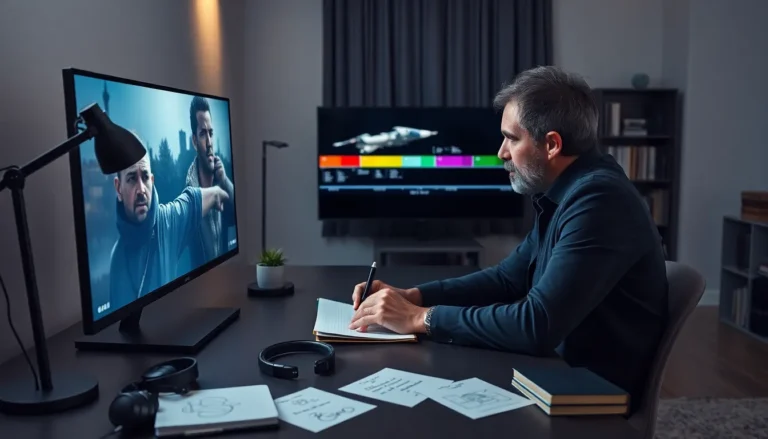
Second viewing is work. Pause frequently. Take timestamps for significant moments. Note questions that arise. Some analysts watch once for story, once for visuals, and once for sound.
Step 4: Focus on Specific Scenes
Select two or three key scenes for deep analysis. The opening, a pivotal turning point, and the climax often reveal the most about a filmmaker’s approach.
Step 5: Identify Patterns
Look for recurring visual motifs, repeated dialogue, color associations, or musical themes. Patterns usually signal thematic importance.
Step 6: Connect Technique to Meaning
This step separates good breakdowns from great ones. Don’t just describe what happens technically, explain why it matters. A Dutch angle isn’t interesting by itself. A Dutch angle that appears whenever the protagonist lies reveals character psychology.
Step 7: Synthesize Findings
Pull observations together into coherent arguments about what the film accomplishes and how it achieves those effects.
Tools and Resources for Film Analysis
Modern technology makes movie breakdowns more accessible than ever. These tools help analysts work efficiently.
Video Players with Frame Control
VLC Media Player offers frame-by-frame advancement, speed control, and screenshot capabilities, all free. For serious work, DaVinci Resolve provides professional-grade playback options.
Note-Taking Systems
Notion and Obsidian let analysts organize observations with timestamps, tags, and cross-references. Some prefer simple spreadsheets tracking scene numbers, techniques observed, and interpretations.
Online Resources
- IMDb Technical Specs: Lists aspect ratios, cameras used, and film stock
- Scripts Online: Sites like Script Slug archive screenplays for comparison
- YouTube Channels: Every Frame a Painting, Lessons from the Screenplay, and Nerdwriter demonstrate professional-level movie breakdowns
Books Worth Reading
Syd Field’s Screenplay explains structure. David Bordwell’s Film Art covers technical analysis comprehensively. Both remain industry standards decades after publication.
Academic Databases
JSTOR and Google Scholar contain peer-reviewed film criticism that adds scholarly depth to personal analyses.
The right tools depend on goals. Someone writing casual blog content needs different resources than a graduate student preparing a thesis. Start simple and add complexity as skills develop.
Tips for Writing Effective Movie Breakdowns
Analyzing a film is one skill. Communicating that analysis clearly is another. These tips help writers produce movie breakdowns that readers actually finish.
Lead with a Hook
Open with something surprising or counterintuitive. “Mad Max: Fury Road has almost no dialogue but tells a complete story through action” grabs attention better than “This breakdown will examine cinematography.”
Use Specific Examples
Vague claims weaken arguments. Instead of “The lighting creates mood,” write “Blue-tinted lighting during the interrogation scene suggests the detective’s emotional coldness.” Precision builds credibility.
Balance Description and Interpretation
Readers need enough context to follow along, but too much plot summary bores them. Assume basic familiarity and focus energy on original insights.
Avoid Jargon Overload
Technical terms have their place, but every specialized word creates friction. Define terms briefly when first used, or choose simpler alternatives when possible.
Include Visuals When Possible
Screenshots, clip references, and diagrams help readers see what’s being discussed. A picture of that Dutch angle works better than three sentences describing it.
Structure for Scanning
Online readers skim. Use subheadings, bullet points, and short paragraphs. Put key insights early in sections.
End with Takeaways
Strong movie breakdowns leave readers with something useful, a new way of seeing, a technique to try, or a film to watch next.