The best movie breakdowns transform how viewers understand cinema. A skilled analyst can reveal hidden meanings, explain directorial choices, and unpack storytelling techniques that casual viewers miss. Whether someone wants to appreciate films on a deeper level or learn the craft of filmmaking, expert breakdowns offer a shortcut to cinematic literacy.
Film analysis has exploded in popularity over the past decade. YouTube channels dedicated to movie breakdowns regularly attract millions of subscribers. Podcasts dissect everything from blockbusters to indie gems. Websites publish in-depth essays that rival academic scholarship. The challenge isn’t finding content, it’s finding quality content worth the time investment.
This guide covers where to find the best movie breakdowns online. It explores what separates excellent analysis from surface-level commentary, highlights top creators across different platforms, and explains how to maximize learning from these resources.
Table of Contents
ToggleKey Takeaways
- The best movie breakdowns combine deep research, visual evidence, and technical knowledge to reveal hidden meanings casual viewers miss.
- Top YouTube channels like Every Frame a Painting, Lessons from the Screenplay, and Thomas Flight offer excellent free film analysis.
- Podcasts such as Blank Check and The Rewatchables provide in-depth movie breakdowns with multiple perspectives and comprehensive director analyses.
- Always watch the film before consuming breakdowns, then rewatch afterward to notice details you previously missed.
- Cross-reference multiple analysts covering the same film to build a more complete understanding and catch insights others overlooked.
- Actively apply what you learn from movie breakdowns when watching new films to cement your understanding of cinematic techniques.
What Makes a Great Movie Breakdown
Not all movie breakdowns deliver equal value. The best ones share specific qualities that set them apart from generic reviews or simple plot summaries.
Deep research forms the foundation. Great analysts dig into production history, director interviews, and source material. They understand the context behind creative decisions. A breakdown of The Shining becomes more interesting when the analyst explains Kubrick’s 60+ takes for simple scenes and what that obsession reveals about the final product.
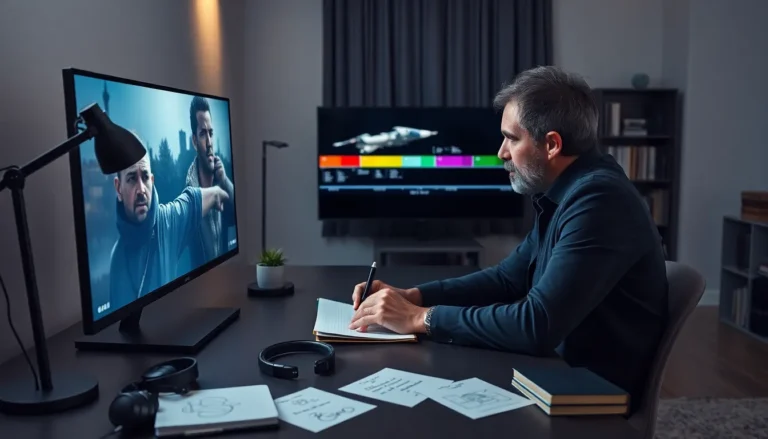
Visual evidence matters. The best movie breakdowns show rather than tell. They use side-by-side comparisons, slow-motion analysis, and annotated screenshots. When an analyst claims a director uses color to signal character transformation, viewers should see those examples on screen.
Technical knowledge elevates analysis. Understanding cinematography, editing theory, and sound design allows analysts to explain how films achieve emotional effects. Why does a scene feel tense? A great breakdown might point to the 18mm lens creating subtle distortion, the cuts arriving slightly before expected, or the low-frequency rumble beneath the dialogue.
Original perspective separates leaders from followers. The internet doesn’t need another video explaining that Fight Club has an unreliable narrator. The best movie breakdowns offer fresh angles, connections nobody else noticed, historical context others overlooked, or interpretations that challenge conventional wisdom.
Clear communication ties everything together. Technical expertise means nothing without the ability to explain concepts accessibly. Top analysts make film theory understandable without dumbing it down.
Top YouTube Channels for Film Analysis
YouTube hosts the largest collection of movie breakdowns available. Several channels consistently produce excellent content.
Every Frame a Painting set the gold standard before ending in 2016. Tony Zhou’s essays on Jackie Chan’s action comedy, Edgar Wright’s visual comedy, and ensemble staging remain essential viewing. The channel stopped producing content, but its archive continues teaching new generations.
Lessons from the Screenplay focuses specifically on screenwriting craft. Michael Tucker breaks down character arcs, dialogue techniques, and narrative structure using popular films as case studies. His video on Gone Girl‘s use of the “cool girl” monologue demonstrates how voiceover can work brilliantly when most advice says to avoid it.
Nerdwriter1 applies intellectual rigor across pop culture. Evan Puschak’s movie breakdowns examine films through unexpected lenses, philosophy, art history, psychology. His analysis connects cinema to broader cultural conversations.
Thomas Flight offers some of the best movie breakdowns for understanding editing and visual storytelling. His content explains why certain cuts work and others don’t. The technical focus gives viewers vocabulary to discuss films more precisely.
Movies with Mikey brings infectious enthusiasm to analysis. FilmJoy’s flagship series combines humor with genuine insight. Mikey Neumann’s emotional connection to his subjects makes his breakdowns feel personal rather than academic.
CineFix produces curated lists that go deeper than typical rankings. Their “Top 10 Movie X of All Time” videos explain why certain films excel at specific techniques, turning listicles into legitimate education.
Podcasts and Websites Worth Exploring
Movie breakdowns extend beyond YouTube. Podcasts and websites offer different strengths.
Podcasts
Blank Check with Griffin and David examines directors’ complete filmographies. Hosts Griffin Newman and David Sims spend 2-3 hours per film, providing exhaustive analysis mixed with comedy. Their approach works best for listeners who want comprehensive movie breakdowns of entire careers.
The Rewatchables from The Ringer revisits beloved films with multiple perspectives. The rotating panel format generates debate and surfaces insights that single-host shows miss. It’s particularly strong for best movie breakdowns of 80s and 90s classics.
You Must Remember This dives into Hollywood history. Karina Longworth’s research-heavy episodes contextualize older films within their cultural moments. Understanding what audiences and creators faced helps modern viewers appreciate these works differently.
The Director’s Cut features filmmakers discussing their own work with peers. This insider access provides movie breakdowns straight from the source.
Websites
Film School Rejects publishes daily essays on cinema. Their coverage balances accessible reviews with deeper analytical pieces. The site particularly excels at connecting current releases to film history.
Roger Ebert’s website continues his legacy with new writers while preserving his extensive archive. Ebert’s reviews remain some of the best movie breakdowns ever written, clear, humane, and technically informed.
No Film School targets aspiring filmmakers but benefits any serious student of cinema. Technical breakdowns explain exactly how shots get composed and scenes get lit.
How to Get the Most Out of Movie Breakdowns
Consuming movie breakdowns passively wastes their potential. Active engagement multiplies their value.
Watch the film first. This seems obvious, but many viewers consume analysis without experiencing the source material. Breakdowns land differently after personal viewing. Initial reactions provide a baseline for comparison with expert perspectives.
Take notes while watching analysis. Writing key points strengthens retention. Note specific techniques, timestamps of examples, and connections to other films mentioned.
Rewatch films after analysis. The best movie breakdowns change how viewers see familiar works. That second viewing, armed with new knowledge, reveals details previously invisible. A movie breakdown of Mad Max: Fury Road pointing out its eyeline editing makes the rewatch almost feel like seeing a different film.
Cross-reference multiple sources. Different analysts notice different things. Watching three breakdowns of the same film builds more complete understanding than one excellent video alone. Disagreements between analysts prove especially instructive.
Apply insights actively. When watching new films, try identifying techniques previous breakdowns explained. Does this director use similar staging? Is that transition choice serving the same function? Active pattern recognition cements learning.
Follow the rabbit holes. Great analysts mention influences, references, and related works. Chase those leads. A breakdown of Parasite might reference Shoplifters or discuss Hitchcock’s influence, watch those films next.
Engage with communities. Comment sections, subreddits, and Discord servers extend the conversation. Other viewers catch things analysts missed. Discussion deepens understanding better than passive consumption.