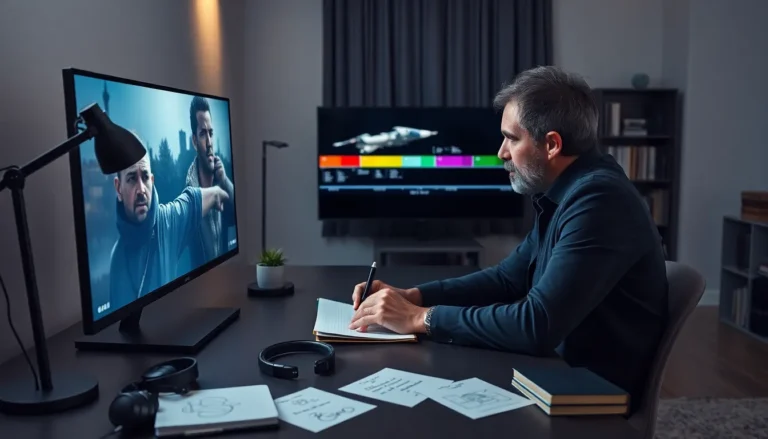
Movie breakdowns for beginners offer a clear path to understanding films on a deeper level. Most viewers watch movies passively. They follow the plot, enjoy the action, and move on. But analyzing a film? That’s a different skill entirely.
A movie breakdown examines how filmmakers tell stories through visuals, sound, dialogue, and structure. It transforms casual watching into active learning. Beginners often assume they need film school credentials to analyze movies properly. They don’t. Anyone can learn to dissect films with the right approach.
This guide covers the essential elements of movie breakdowns, practical steps to get started, and common pitfalls to avoid. By the end, readers will have a framework for analyzing any film, from blockbusters to indie dramas.
Table of Contents
ToggleKey Takeaways
- Movie breakdowns for beginners transform passive viewing into active learning by examining how filmmakers use visuals, sound, and structure to tell stories.
- Start your first movie breakdown with a familiar film so you can focus on technique rather than following the plot.
- Focus on one element at a time—such as cinematography or dialogue—to avoid feeling overwhelmed during analysis.
- Always ask “why” about creative choices, from camera angles to music, to uncover the filmmaker’s intent.
- Avoid common mistakes like confusing personal taste with analysis or ignoring sound design and musical scores.
- Compare your movie breakdown with similar films in the genre to sharpen your analytical skills and spot unique techniques.
What Is a Movie Breakdown?
A movie breakdown is a detailed analysis of a film’s components. It goes beyond asking “Did I like this movie?” Instead, it asks “How did the filmmakers achieve their goals?”
Think of it like reverse engineering. A mechanic takes apart an engine to understand how it works. A movie breakdown does the same with film. It separates the parts, script, visuals, performances, editing, music, and examines each one.
Movie breakdowns serve different purposes. Critics use them to evaluate artistic merit. Screenwriters study them to learn storytelling techniques. Directors analyze competitor films to understand what resonates with audiences. And casual film fans? They use movie breakdowns to appreciate their favorite movies more deeply.
The process doesn’t require expensive equipment or special training. A notebook, a streaming service, and genuine curiosity are enough to start. The key is shifting from passive consumption to active observation. That mental switch makes all the difference.
Key Elements to Analyze in Any Film
Every movie breakdown focuses on specific elements. Beginners should start with two foundational areas: story structure and visual style.
Story Structure and Narrative
Story structure forms the backbone of any film. Most Hollywood movies follow a three-act structure: setup, confrontation, and resolution. The setup introduces characters and establishes stakes. The confrontation presents obstacles. The resolution delivers outcomes.
But structure goes deeper than acts. Effective movie breakdowns examine plot points, character arcs, and thematic threads. When does the protagonist face their biggest challenge? How do supporting characters change throughout the story? What ideas or messages does the film explore?
Consider The Shawshank Redemption. A surface-level viewing tells a prison escape story. A breakdown reveals themes of hope, institutional corruption, and friendship. It shows how each scene builds toward the final payoff.
Beginners should track major plot points while watching. Note when conflicts arise, when characters make pivotal decisions, and when tension peaks. These observations form the foundation of any solid movie breakdown.
Cinematography and Visual Style
Cinematography covers everything viewers see on screen. Camera angles, lighting, color palettes, and shot composition all contribute to a film’s visual language.
Filmmakers make deliberate choices. Low-angle shots make characters appear powerful. High-angle shots suggest vulnerability. Warm colors evoke comfort: cold tones create unease. Movie breakdowns identify these choices and analyze their effects.
Take lighting as an example. Horror films often use shadows and darkness to build tension. Romantic comedies favor bright, even lighting. These aren’t accidents, they’re tools.
Beginners can start by asking simple questions during movie breakdowns. Where is the camera positioned? Why might the director choose that angle? How does the lighting affect mood? These questions sharpen visual awareness quickly.
Simple Steps to Start Your First Movie Breakdown
Starting a movie breakdown doesn’t require complicated methods. A few practical steps can guide beginners through the process.
Step 1: Choose a familiar film. The first movie breakdown works best with a movie the viewer already knows. Familiarity removes plot distractions and allows focus on technique. Rewatching reveals details missed during initial viewings.
Step 2: Watch with intention. Pause frequently. Rewind scenes. Take notes. Active watching differs sharply from entertainment watching. The goal is observation, not relaxation.
Step 3: Focus on one element first. Trying to analyze everything at once overwhelms beginners. Pick one area, dialogue, camera work, or pacing, and study it throughout the film. Later viewings can explore other elements.
Step 4: Ask “why” constantly. Every creative choice has a reason. Why did the editor cut at that moment? Why did the composer use strings instead of piano? Movie breakdowns uncover intent through persistent questioning.
Step 5: Write down observations. Notes capture insights that memory loses. Even brief bullet points help. After watching, review notes and look for patterns. These patterns often reveal the filmmaker’s strategy.
Step 6: Compare with other films. Context matters. How does this movie breakdown compare to similar films in the genre? What techniques appear in both? What makes this film unique? Comparison sharpens analytical skills.
Common Mistakes Beginners Should Avoid
New analysts often stumble into predictable traps. Recognizing these mistakes early saves time and frustration.
Confusing personal taste with analysis. “I didn’t like this scene” isn’t analysis. Movie breakdowns examine effectiveness, not preference. A scene might work brilliantly even if it doesn’t appeal to the viewer personally.
Overcomplicating the process. Some beginners think movie breakdowns require academic language or obscure film theory. They don’t. Clear, straightforward observations beat pretentious jargon every time.
Ignoring context. Films exist within cultural and historical moments. A movie made in 1975 operated under different constraints than one made in 2024. Budget, technology, and audience expectations all shape creative decisions. Good movie breakdowns account for context.
Focusing only on negatives. Critique differs from criticism. Movie breakdowns should identify what works and why, not just catalogue flaws. Understanding success teaches more than cataloguing failure.
Rushing through viewings. Quality movie breakdowns take time. Watching a film once at normal speed rarely produces deep insights. Multiple viewings, pausing, and scene-by-scene analysis yield better results.
Neglecting sound and music. Beginners often fixate on visuals and story while ignoring audio. Film is an audiovisual medium. Sound design and scores shape emotional responses as much as images do. Include them in every movie breakdown.