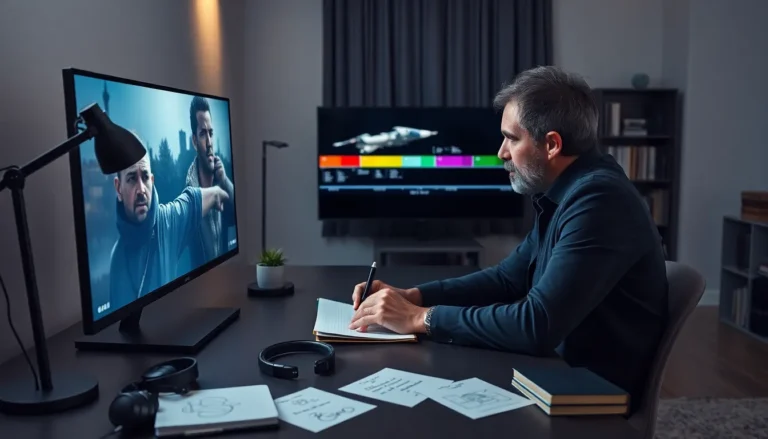
A movie breakdowns guide helps viewers move beyond passive watching and into active analysis. Whether someone wants to become a filmmaker, write better reviews, or simply appreciate cinema more deeply, learning to break down movies is a valuable skill. This guide covers the essential elements of film analysis, provides a clear step-by-step process, and offers practical tips for writing effective movie breakdowns. By the end, readers will have a solid framework for analyzing any film they watch.
Table of Contents
ToggleKey Takeaways
- A movie breakdowns guide teaches you to analyze films actively by examining narrative structure, cinematography, editing, sound design, and performance.
- Watch every film twice—once for enjoyment and once for detailed analysis with notes organized by each filmmaking element.
- Look for recurring patterns and motifs like repeated colors, sounds, or visual themes to uncover the filmmaker’s intentional choices.
- Always connect technical observations to meaning—explain how specific camera angles, cuts, or sound choices create emotional impact.
- Practice regularly and study experienced film analysts to sharpen your breakdown skills across different genres and eras.
What Is a Movie Breakdown?
A movie breakdown is a detailed analysis of a film’s individual components. It examines how directors, writers, cinematographers, and editors work together to create a finished product. Think of it as reverse-engineering a movie, taking it apart to see what makes it tick.
Movie breakdowns differ from standard reviews. A review tells audiences whether a film is worth watching. A breakdown explains how the film achieves its effects. Critics might say a scene felt tense. Analysts explain why it felt tense, the lighting choices, the pacing of cuts, the placement of the score.
Film students use movie breakdowns to learn technique. Writers study them to understand story structure. Directors reference them to see how other filmmakers solved creative problems. Even casual viewers benefit from this practice. Once someone learns to analyze films, they notice details they previously missed. Movies become richer experiences.
A good movie breakdowns guide teaches people to watch with intention. It trains the eye to catch visual motifs and the ear to hear how sound design shapes emotion. This skill transfers across genres and eras. The same analytical framework applies to a 1940s noir and a 2024 superhero blockbuster.
Key Elements to Analyze in Any Film
Every movie breakdown should examine several core elements. These components work together to create the viewing experience.
Narrative Structure
Story structure forms the backbone of any film. Analysts look at how the plot unfolds, where the story begins, how conflict develops, and how it resolves. The three-act structure remains common, but many films experiment with non-linear timelines or unconventional formats. A movie breakdowns guide should help identify which structural approach a filmmaker uses and why.
Cinematography
Cinematography covers everything the camera does. This includes shot composition, camera movement, lens choices, and lighting. Wide shots establish location. Close-ups reveal emotion. Low angles make characters appear powerful. High angles diminish them. Each choice communicates something to the audience.
Editing and Pacing
Editing determines rhythm. Fast cuts create energy and tension. Longer takes allow moments to breathe. The relationship between shots, what comes before and after, shapes meaning. Soviet filmmaker Sergei Eisenstein proved this with his montage theory experiments in the 1920s. His ideas still influence how editors approach their work today.
Sound Design and Score
Sound often goes unnoticed, but it carries enormous weight. Diegetic sounds (sounds within the film’s world) ground viewers in reality. Non-diegetic sounds (like musical scores) guide emotional responses. Silence can be just as powerful as noise. Analysts should note when and how filmmakers deploy each approach.
Performance and Direction
Actors bring characters to life, but directors shape those performances. A movie breakdown examines how actors use physicality, voice, and facial expressions. It also considers how the director blocked scenes and guided the overall tone.
Step-by-Step Process for Breaking Down a Movie
Following a consistent process makes movie breakdowns easier and more thorough. Here’s a practical approach anyone can use.
Step 1: Watch the Film Twice
The first viewing should be for enjoyment. Let the movie wash over you without taking notes. Experience it as a regular audience member. The second viewing is for analysis. This time, pause frequently and document observations.
Step 2: Take Notes on Each Element
During the analytical viewing, jot down notes about cinematography, editing, sound, performance, and structure. Note specific timestamps for important scenes. This movie breakdowns guide recommends organizing notes by element rather than chronologically.
Step 3: Identify Patterns and Motifs
Look for recurring visual or thematic elements. Does the director use a particular color repeatedly? Do certain sounds appear before key plot points? Patterns reveal intentionality.
Step 4: Research Context
Learn about the film’s production history. Read interviews with the director and crew. Understanding their intentions adds depth to any analysis. A filmmaker’s previous work often illuminates choices in their current project.
Step 5: Synthesize Your Observations
Connect individual observations into a cohesive argument. The best movie breakdowns don’t just list elements, they explain how those elements work together to serve the film’s purpose.
Tips for Writing Effective Movie Breakdowns
Strong analysis requires strong writing. These tips help communicate insights clearly.
Be Specific
Vague claims weaken any movie breakdown. Instead of writing “the cinematography was good,” explain exactly what made it effective. Reference specific shots. Describe camera angles and movements. Specificity builds credibility.
Use Timestamps
Readers appreciate precise references. When discussing a particular scene, include the timestamp. This allows them to find and rewatch the moment in question. It also demonstrates thorough research.
Avoid Spoilers Strategically
Some movie breakdowns require discussing plot details. Others can analyze technique without revealing story beats. Know your audience and choose accordingly. When spoilers are necessary, provide clear warnings.
Connect Technique to Meaning
The best movie breakdowns guide readers from observation to interpretation. Don’t just note that a director used handheld camera work. Explain how that technique creates intimacy or unease. Technical analysis should always serve a larger point.
Read Other Analysts
Study how experienced critics structure their breakdowns. Publications like Film Crit Hulk, Every Frame a Painting (before it ended), and channels like Lessons from the Screenplay offer excellent models. Learning from skilled analysts accelerates improvement.
Practice Regularly
Analytical skills develop through repetition. Apply this movie breakdowns guide to every film you watch. Start with movies you love, passion makes analysis easier. Then challenge yourself with genres or eras you find less familiar.