Movie breakdown techniques transform casual viewers into skilled film analysts. Whether someone watches blockbusters or indie films, understanding how to dissect cinema reveals layers of meaning that most audiences miss. Directors, writers, and cinematographers embed deliberate choices in every frame. Learning to identify these choices deepens appreciation and sharpens critical thinking.
This guide covers essential movie breakdown techniques used by critics, students, and film enthusiasts. From scene-by-scene analysis to sound design evaluation, these methods provide a structured approach to understanding why certain films work, and why others fall flat.
Table of Contents
ToggleKey Takeaways
- Movie breakdown techniques help viewers identify deliberate choices in cinematography, sound, and narrative that casual audiences often miss.
- Scene-by-scene analysis forms the foundation of film study—pause frequently, take notes, and examine how each scene serves the story.
- Camera angles, lighting, and color palettes communicate meaning without words, revealing power dynamics, mood, and thematic connections.
- Understanding the three-act structure and plot devices like foreshadowing and MacGuffins makes it easier to evaluate storytelling effectiveness.
- Sound design and musical scores shape emotional response more than most viewers realize—try watching scenes with eyes closed to isolate audio impact.
- Effective movie breakdown techniques require practice across genres and eras, with written documentation to sharpen critical thinking skills.
Understanding Scene-by-Scene Analysis
Scene-by-scene analysis forms the foundation of effective movie breakdown techniques. This method involves watching a film in segments and examining each scene’s purpose, execution, and connection to the larger story.
Start by identifying what each scene accomplishes. Does it introduce a character? Advance the plot? Build tension? Every scene should serve at least one function. If a scene feels empty, that’s often a sign of weak filmmaking.
Pay attention to how scenes begin and end. Strong directors use scene transitions deliberately. A hard cut might signal a jarring shift in mood, while a dissolve often indicates the passage of time. These choices aren’t accidental.
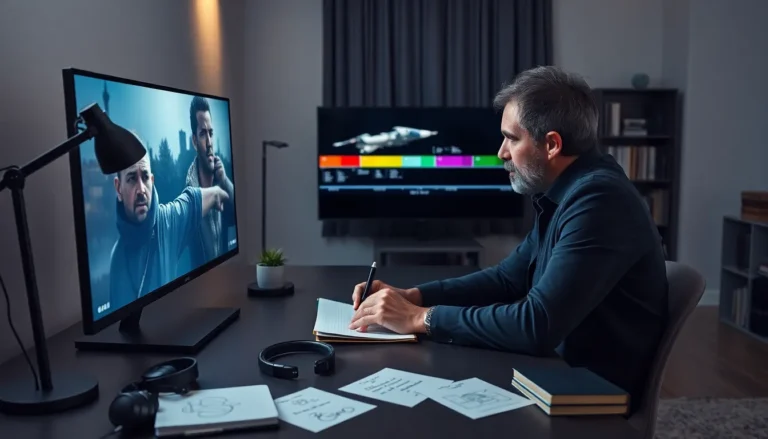
Take notes during this process. Write down dialogue that stands out, visual motifs that repeat, and questions that arise. This active engagement helps viewers retain details and spot patterns they’d otherwise miss.
Movie breakdown techniques work best when viewers slow down. Pause frequently. Rewind important moments. The goal isn’t to finish quickly, it’s to understand deeply.
Examining Cinematography and Visual Storytelling
Cinematography communicates story without words. Skilled analysts study camera work, lighting, color, and composition to understand a director’s visual language.
Camera angles reveal power dynamics. Low angles make characters appear dominant. High angles suggest vulnerability. A Dutch angle (tilted frame) creates unease. Notice where the camera sits relative to characters and ask why.
Lighting sets mood instantly. High-key lighting (bright, even illumination) suggests optimism or safety. Low-key lighting (strong shadows, high contrast) builds mystery or danger. Films like “The Godfather” use lighting to literally show characters moving between moral light and darkness.
Color palettes tell stories too. Warm colors evoke comfort or passion. Cool colors suggest isolation or sadness. Some filmmakers assign specific colors to characters or themes. In “The Matrix,” green tints indicate scenes inside the simulation.
Composition, how elements are arranged within the frame, guides viewer attention. The rule of thirds places subjects off-center for visual interest. Symmetrical compositions can feel formal or unsettling. Leading lines draw eyes toward important elements.
These movie breakdown techniques require repeated viewing. Watch scenes with the sound off to focus purely on visuals. Notice what the image alone communicates.
Analyzing Narrative Structure and Plot Devices
Story structure gives films their shape. Understanding common narrative patterns helps analysts predict, interpret, and evaluate storytelling choices.
The three-act structure dominates Hollywood films. Act One establishes characters and conflict. Act Two develops complications and raises stakes. Act Three resolves the central conflict. Knowing this framework makes it easier to identify when films subvert expectations.
Plot devices serve specific functions. Foreshadowing plants clues early that pay off later. Flashbacks reveal backstory. MacGuffins (objects characters pursue) drive action without mattering much themselves. The briefcase in “Pulp Fiction” is a famous MacGuffin, its contents don’t matter: the pursuit does.
Character arcs track internal change. Protagonists typically begin with a flaw or false belief. Events force them to confront this weakness. By the end, they’ve transformed, or failed to transform, in tragedies. Track what characters believe at the start versus the end.
Movie breakdown techniques for narrative analysis include mapping plot points on a timeline. Identify the inciting incident, midpoint reversal, and climax. Notice how long each act runs. Pacing problems often stem from structural imbalances.
Theme emerges through story. Ask what the film argues about life, humanity, or society. Theme isn’t stated directly, it’s demonstrated through character choices and consequences.
Evaluating Sound Design and Musical Score
Sound shapes emotional response more than most viewers realize. Professional movie breakdown techniques always include audio analysis.
Diegetic sound exists within the story world. Characters hear it: dialogue, footsteps, car engines, background conversations. Non-diegetic sound exists outside the story: musical score, voiceover narration, sound effects added for audience benefit.
Silence carries meaning. When a film suddenly cuts audio, pay attention. Silence creates tension, emphasizes isolation, or signals a shift in perspective. Horror films use silence before jump scares. Dramas use it during emotional peaks.
Musical scores manipulate emotion directly. Leitmotifs, recurring musical themes, attach to characters or ideas. John Williams’ scores for “Star Wars” use distinct leitmotifs for Luke, Darth Vader, and the Force itself. When those themes play, they trigger associations.
Sound bridges connect scenes. Audio from the next scene begins before the visual transition, creating smooth continuity. This technique guides viewers between locations and time periods.
Watch key scenes with eyes closed. Focus entirely on what you hear. This isolation reveals how much sound contributes to the experience. Effective movie breakdown techniques separate individual elements before examining how they combine.
Putting It All Together for Complete Film Analysis
Individual techniques provide pieces. Complete analysis assembles them into a coherent interpretation.
Start with overall impression. After watching a film, identify the dominant feeling it creates. Then work backward. Which specific choices produced that feeling? Connect technical elements to emotional effects.
Look for patterns across categories. A film about isolation might use wide shots (cinematography), sparse dialogue (sound), cold colors (visuals), and a protagonist alone in most scenes (narrative). When multiple elements reinforce the same idea, that’s intentional filmmaking.
Compare intention to execution. What did the filmmaker seem to attempt? Did they succeed? A film can fail at its goals or succeed at goals the analyst disagrees with. Separate craft evaluation from personal taste.
Movie breakdown techniques improve with practice. Analyze different genres. Study different eras. Compare international cinema to Hollywood conventions. Each film expands understanding.
Document analyses in writing. Putting observations into words forces clarity. Vague impressions become specific claims. Arguments require evidence. This discipline sharpens critical thinking over time.