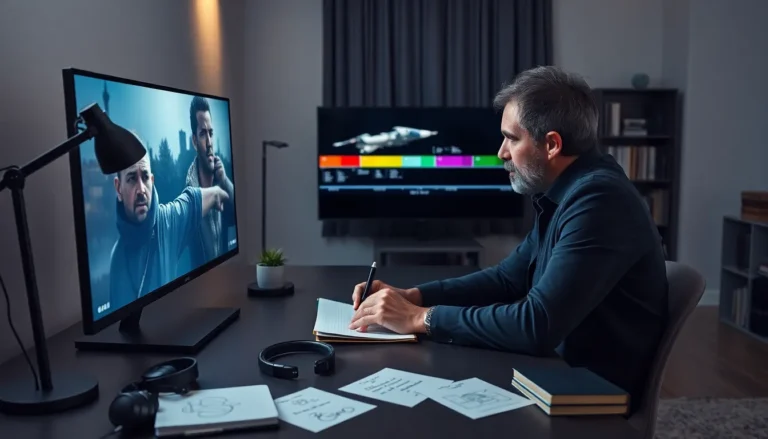
Movie breakdowns tips can transform how anyone watches and understands films. Most viewers sit back and let a movie wash over them. They laugh at jokes, feel tension during chase scenes, and maybe cry at the sad parts. But they rarely ask why those moments worked.
Film analysis goes deeper. It examines the choices directors, writers, and editors make to create specific emotional responses. These skills aren’t reserved for critics or film school students. Anyone can learn to dissect movies with the right approach.
This guide covers the essential movie breakdowns tips every aspiring film analyst needs. From story structure to sound design, these techniques will sharpen viewing habits and reveal the craft behind great cinema.
Table of Contents
ToggleKey Takeaways
- Movie breakdowns tips start with understanding story structure, including the three-act framework and identifying central themes.
- Cinematography choices like camera angles, shot composition, and color grading shape how audiences interpret scenes emotionally.
- Character development analysis should track transformation arcs, dialogue patterns, and the gap between what characters say versus what they do.
- Sound design and musical cues do heavy emotional lifting—pay attention to score, silence, and ambient sounds during your breakdowns.
- Watch films multiple times, focusing on different elements each viewing, and take notes to turn passive watching into active study.
- Practice consistently, as movie breakdowns tips improve with every film you analyze and your critical instincts sharpen over time.
Understand the Core Elements of Storytelling
Every film tells a story, and most stories follow recognizable patterns. Movie breakdowns tips start here because structure provides the foundation for everything else on screen.
The three-act structure remains the dominant framework in Hollywood. Act one establishes characters and conflict. Act two escalates that conflict through complications. Act three resolves everything. Knowing this pattern helps analysts predict story beats and notice when filmmakers subvert expectations.
Beyond structure, analysts should identify the central theme. What question does the film ask? What statement does it make about human nature, society, or existence? A movie like Parasite examines class inequality. The Shawshank Redemption explores hope and freedom. Recognizing theme gives deeper meaning to individual scenes.
Conflict types also matter. Person versus person drives most thrillers. Person versus self powers character studies. Person versus nature dominates survival films. Strong movie breakdowns tips include categorizing the primary conflict early in analysis.
Plot devices deserve attention too. Foreshadowing plants clues for later events. MacGuffins drive action without intrinsic importance. Red herrings mislead audiences intentionally. Spotting these techniques shows how filmmakers manipulate viewer expectations.
Pay Attention to Cinematography and Visual Choices
Cameras don’t just record action, they shape how audiences interpret it. Movie breakdowns tips for visual analysis focus on deliberate choices rather than random shots.
Shot composition tells stories within frames. The rule of thirds places subjects off-center for visual interest. Centered framing often suggests power or importance. Empty space around a character can imply isolation or vulnerability.
Camera angles communicate relationships. Low angles make subjects appear powerful or threatening. High angles diminish characters, suggesting weakness or defeat. Eye-level shots create neutrality and identification.
Movement adds another layer. Tracking shots follow action and build energy. Static shots create stability or tension through stillness. Handheld cameras inject chaos and immediacy. Steadicam provides smooth movement without the polish of dolly shots.
Lighting establishes mood instantly. High-key lighting floods scenes with brightness for comedies or feel-good stories. Low-key lighting creates shadows and mystery for noir or horror. Color temperature shifts from warm oranges to cold blues based on emotional intent.
Color grading deserves special attention in modern movie breakdowns tips. Films use color palettes deliberately. The Matrix bathes its simulated world in green. Mad Max: Fury Road saturates the screen with orange and teal. These choices aren’t accidental, they reinforce themes and emotions.
Analyze Character Development and Arcs
Characters drive stories forward. Strong movie breakdowns tips examine how characters change, or deliberately don’t change, across a film’s runtime.
Most protagonists follow transformation arcs. They begin with flaws, face challenges that expose those flaws, and emerge changed. Luke Skywalker transforms from a farm boy to a Jedi. Walter White transforms from a teacher to a drug lord. The arc itself matters less than whether it feels earned.
Flat arcs exist too. Some characters remain constant while changing the world around them. James Bond rarely transforms personally. Neither does Indiana Jones. These characters serve different narrative purposes, they test others rather than being tested themselves.
Dialogue reveals character efficiently. What people say matters. How they say it matters more. A character who speaks in short sentences projects different energy than one who rambles. Subtext, what remains unsaid, often carries the real meaning.
Actions speak louder than words in film analysis. Movie breakdowns tips should track what characters do versus what they claim. A character might say they’ve changed, but their actions prove whether that’s true. Contradiction between speech and behavior creates complexity.
Relationships between characters deserve equal scrutiny. Protagonists need antagonists who challenge them specifically. Supporting characters should reveal new aspects of main characters. Every interaction should serve the story or character development.
Listen for Sound Design and Musical Cues
Sound design shapes film experiences as much as visuals. Movie breakdowns tips often overlook audio, but professionals know better.
Diegetic sound exists within the story world. Characters hear these sounds, dialogue, footsteps, car engines. Non-diegetic sound exists outside the story. Score, narration, and sound effects added for audience benefit fall here. The line between them can blur creatively.
Scores do heavy emotional lifting. Hans Zimmer’s Inception horn creates instant recognition and tension. John Williams’ Jaws theme triggers primal fear. Music tells audiences how to feel when visuals alone might be ambiguous.
Silence proves equally powerful. Movie breakdowns tips should note when filmmakers remove all sound. Silence can build tension, mark significant moments, or represent psychological states. The quiet scenes often hit hardest.
Sound mixing choices reveal priorities. Dialogue sits front and center in most films. But action sequences might prioritize effects. Horror films often push unsettling sounds into prominence while keeping music subtle.
Ambient sound creates world-building. City scenes buzz with traffic and voices. Nature settings feature wind, water, and wildlife. These sounds might seem invisible during casual viewing, but they anchor audiences in specific locations and moods.
Take Notes and Watch Multiple Times
Serious film analysis requires more than passive viewing. These movie breakdowns tips turn watching into active study.
First viewings should prioritize overall experience. Don’t take notes. Don’t pause. Let the film work on emotional terms first. Understanding how a movie feels matters before dissecting why it works.
Second viewings change everything. Now analysts can pause, rewind, and examine specific moments. Movie breakdowns tips suggest focusing on different elements each time. One viewing might track visual motifs. Another might analyze dialogue patterns. A third might study scene transitions.
Note-taking systems vary by preference. Some analysts timestamp specific shots worth revisiting. Others sketch frame compositions. Many write immediate reactions before research colors their perspective.
Research adds context after personal analysis concludes. Director interviews reveal intention. Production histories explain constraints. Comparison with source material shows adaptation choices. But forming independent observations first prevents simply parroting others’ analyses.
Movie breakdowns tips improve with practice. The hundredth film analyzed teaches different lessons than the first. Pattern recognition develops. Technical vocabulary expands. Critical instincts sharpen. Every viewing becomes an opportunity to learn.