Movie breakdowns vs movie reviews, what’s the actual difference? Both formats analyze films, but they serve distinct purposes for different audiences. A movie breakdown dissects technical elements, story structure, and hidden details. A movie review offers opinions and recommendations to help viewers decide what to watch. Understanding the difference between movie breakdowns and movie reviews helps audiences find the content they need. This guide explains what separates these two popular formats and when each one works best.
Table of Contents
ToggleKey Takeaways
- Movie breakdowns vs movie reviews serve different purposes: breakdowns educate about filmmaking craft, while reviews help you decide what to watch.
- Watch movie breakdowns after seeing a film to understand hidden details, symbolism, and technical choices you may have missed.
- Movie reviews are spoiler-free guides designed to help audiences choose films that match their taste and time.
- Breakdowns dive deep into specific elements like cinematography and story structure, while reviews cover overall quality and entertainment value.
- Both formats complement each other—use reviews before watching and breakdowns afterward to maximize your film appreciation.
What Is a Movie Breakdown?
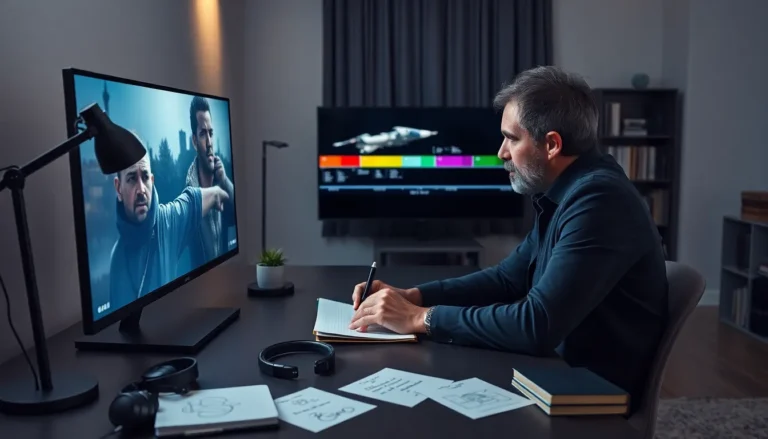
A movie breakdown examines a film’s individual components in detail. This format focuses on how a movie works rather than whether someone should watch it.
Movie breakdowns typically analyze:
- Cinematography: Camera angles, lighting choices, and visual composition
- Story structure: Plot beats, character arcs, and narrative techniques
- Symbolism and themes: Hidden meanings, motifs, and deeper messages
- Technical craft: Editing, sound design, and special effects
- Director’s vision: Stylistic choices and artistic intent
Creators who produce movie breakdowns often assume their audience has already seen the film. They include spoilers freely because the goal is analysis, not recommendation. A movie breakdown might spend twenty minutes discussing a single scene’s color palette or explaining how a director used foreshadowing.
Popular YouTube channels like Lessons from the Screenplay, Every Frame a Painting, and Nerdwriter1 specialize in movie breakdowns. These creators treat films as texts worth studying. Their content appeals to aspiring filmmakers, film students, and cinephiles who want deeper understanding.
Movie breakdowns answer questions like: Why did the director frame this shot from below? What does the recurring red motif represent? How does the screenplay subvert genre expectations?
The format rewards repeat viewing. Someone watches a movie breakdown about “Parasite” and suddenly notices details they missed during their first watch. That’s the core value proposition, movie breakdowns make audiences see films differently.
What Is a Movie Review?
A movie review evaluates a film’s quality and helps audiences decide whether to watch it. This format prioritizes opinion, recommendation, and consumer guidance.
Movie reviews typically include:
- Overall assessment: Is the film good, bad, or somewhere in between?
- Brief plot summary: What happens without major spoilers
- Performance evaluation: How well did the actors do their jobs?
- Recommendation: Who will enjoy this film?
- Rating or score: A numerical or star-based judgment
Reviewers write for people who haven’t seen the movie yet. They avoid spoilers carefully, or at least warn readers before revealing key plot points. A movie review might be 500 words summarizing the viewing experience and offering a verdict.
Movie reviews appear in newspapers, magazines, websites, and video platforms. Critics like Roger Ebert built careers on movie reviews that combined accessible writing with informed opinions. Today, platforms like Rotten Tomatoes aggregate movie reviews to create consensus scores.
Movie reviews answer different questions than breakdowns: Is this worth my time? Will I enjoy it? How does it compare to similar films? Should I see it in theaters or wait for streaming?
The format serves a practical purpose. People have limited time and money. Movie reviews help them spend both wisely. A trusted reviewer becomes a filter, if they loved it, maybe you will too.
Core Differences Between Breakdowns and Reviews
Movie breakdowns vs movie reviews differ in purpose, timing, audience, and approach. Here’s how they compare:
Purpose
Movie breakdowns educate. They teach viewers about filmmaking craft, story techniques, and artistic choices. Movie reviews recommend. They tell viewers whether a film deserves their attention.
Timing
Movie breakdowns work best after viewing. The audience needs context to appreciate the analysis. Movie reviews work best before viewing. The audience wants guidance on what to watch next.
Spoiler Policy
Movie breakdowns discuss everything freely. Spoilers are necessary for deep analysis. Movie reviews protect plot secrets. Spoilers would defeat the purpose of helping someone decide to watch.
Depth vs. Breadth
Movie breakdowns go deep on specific elements. A breakdown might focus entirely on sound design or character development. Movie reviews cover everything broadly. They mention acting, writing, direction, and entertainment value in one piece.
Subjectivity
Both formats involve opinion, but they handle it differently. Movie breakdowns present analysis with supporting evidence from the film itself. Movie reviews present personal reactions and taste-based judgments more openly.
Length
Movie breakdowns tend to run longer because detailed analysis takes time. A video essay about a film’s themes might be 30 minutes. Movie reviews tend to be shorter and more digestible. A written review might be 800 words: a video review might be 10 minutes.
Creator Background
Movie breakdown creators often have filmmaking knowledge or academic backgrounds. Movie reviewers come from journalism, blogging, or enthusiast communities. Both bring valuable perspectives, just different ones.
When to Watch a Breakdown vs. a Review
Choosing between movie breakdowns vs movie reviews depends on what someone needs at that moment.
Watch a movie review when:
- Deciding whether to see a new release
- Looking for weekend viewing suggestions
- Wanting to know if a film matches personal taste
- Checking if a movie is appropriate for certain audiences
- Comparing options before committing time
Watch a movie breakdown when:
- Finished a film and want to understand it better
- Studying filmmaking techniques
- Missed symbolism or themes during initial viewing
- Curious about a director’s artistic choices
- Preparing to discuss a film in depth
Some viewers consume both formats for the same movie. They read a review before watching, then seek out a breakdown afterward. This approach maximizes appreciation, the review helps them choose wisely, and the breakdown helps them understand fully.
The rise of video essays on YouTube has blurred boundaries somewhat. Some creators mix review elements with breakdown analysis. But the core distinction remains useful. Knowing whether content will spoil a movie or assume prior viewing saves time and frustration.
Movie breakdowns vs movie reviews aren’t competing formats. They’re complementary tools for different stages of film appreciation.