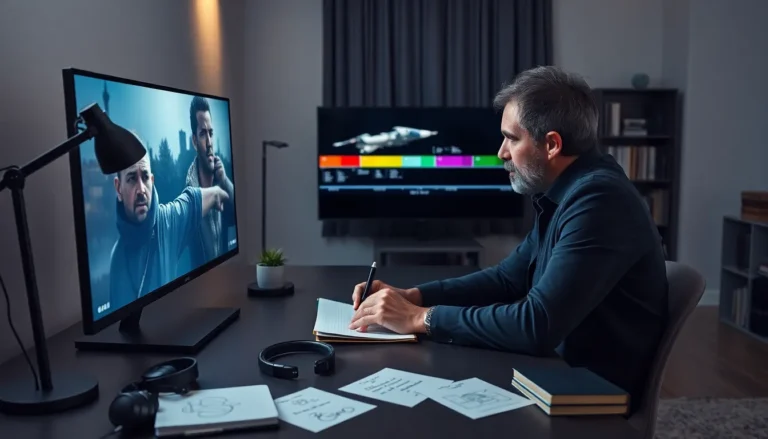
Movie breakdowns transform casual viewing into active analysis. They help audiences understand why certain films work and others fall flat. Whether someone studies filmmaking or simply loves cinema, learning to break down movies sharpens critical thinking and deepens appreciation for the craft.
A good movie breakdown examines story, visuals, sound, and performance. It asks questions: Why did the director choose that camera angle? How does the score shape emotion? What themes does the screenplay explore? These questions turn passive entertainment into an intellectual exercise.
This guide covers everything needed to analyze films like a professional critic. Readers will learn what movie breakdowns include, which elements matter most, and how to create their own detailed analyses. The skills apply whether someone watches blockbusters, indie films, or classic cinema.
Table of Contents
ToggleKey Takeaways
- Movie breakdowns transform passive viewing into active analysis by examining story, visuals, sound, and performance.
- Unlike reviews that offer opinions, movie breakdowns explain how films work by reverse-engineering their construction.
- Effective film analysis requires multiple viewings—first for experience, then for focused examination of specific elements like cinematography and editing.
- Document specific examples rather than general impressions to create meaningful movie breakdowns that demonstrate real analytical insight.
- Resources like video essays, film theory books, director commentaries, and online communities help develop stronger breakdown skills over time.
What Is a Movie Breakdown
A movie breakdown is a detailed analysis of a film’s components. It examines how different elements, story, direction, acting, cinematography, editing, and sound, work together to create the final product. Think of it as reverse-engineering a movie to understand its construction.
Film students use movie breakdowns to study technique. Critics use them to evaluate quality. Screenwriters use them to learn story structure. Directors use them to understand visual language. The practice serves multiple purposes across the industry.
Movie breakdowns differ from standard reviews. A review offers opinion and recommendation. A breakdown offers examination and explanation. Reviews answer “Is this film good?” Breakdowns answer “How does this film work?”
The depth of a movie breakdown varies by purpose. A quick breakdown might focus on one element, like pacing or color palette. A comprehensive breakdown covers every major aspect across multiple viewings. Most fall somewhere in between.
Some breakdowns focus on technical craft. Others emphasize thematic content. The best combine both approaches. They explain how technical choices support or undermine the story’s themes.
Key Elements to Analyze in Any Film
Every movie breakdown should examine several core elements. These components appear in all films regardless of genre, budget, or era. Understanding each one builds a complete picture of how movies communicate with audiences.
Story Structure and Narrative
Story structure forms the backbone of any movie breakdown. Most commercial films follow a three-act structure: setup, confrontation, and resolution. The setup introduces characters and conflict. The confrontation develops complications and raises stakes. The resolution delivers climax and conclusion.
Analyzing story structure means identifying key plot points. Where does the inciting incident occur? When does the protagonist commit to their goal? What’s the midpoint reversal? How does the climax resolve the central conflict? These beats shape audience experience.
Narrative technique matters too. Does the film use linear or non-linear storytelling? Is there a narrator? How does the movie handle exposition? Some films dump information through dialogue. Others reveal details through visual storytelling. The method affects engagement.
Character arcs deserve attention in any movie breakdown. How do protagonists change from beginning to end? What motivates antagonists? Do supporting characters have distinct personalities and functions? Strong character work elevates even simple plots.
Cinematography and Visual Style
Cinematography covers everything the camera captures and how it captures it. Shot composition, camera movement, lighting, and color all fall under this category. A thorough movie breakdown examines visual choices and their effects.
Shot composition tells viewers where to look and what to feel. Wide shots establish location and isolation. Close-ups create intimacy and intensity. The rule of thirds, leading lines, and depth of field all influence meaning. Nothing appears in frame by accident.
Camera movement adds dynamism and perspective. Static shots feel stable or stagnant. Tracking shots create momentum. Handheld footage generates urgency or unease. Crane and drone shots provide scale and grandeur. Each technique serves specific storytelling purposes.
Lighting shapes mood dramatically. High-key lighting suits comedies and musicals. Low-key lighting creates mystery and tension. Natural lighting feels authentic. Stylized lighting feels artistic. Color temperature, warm or cool, affects emotional response.
Color palettes deserve close examination in movie breakdowns. Some directors use color symbolically. Others use it to distinguish timelines or locations. Color grading in post-production can transform footage entirely.
How to Create Your Own Movie Breakdown
Creating a movie breakdown requires multiple viewings. The first watch should be for pure experience. Subsequent viewings allow focused analysis of specific elements. Taking notes during analysis prevents forgetting observations.
Start with overall impressions. What emotions did the film create? Did it succeed at its apparent goals? These gut reactions guide deeper investigation. They highlight what worked and what didn’t.
Next, examine structure. Map out the plot beats on paper. Identify act breaks and major turning points. Note pacing, does the film drag or rush? Structure problems often explain why movies feel “off” even when individual scenes work.
Then study technical elements systematically. Watch once focusing only on cinematography. Watch again for editing choices. Listen specifically to the score and sound design. This focused approach reveals details missed during casual viewing.
Document specific examples in your movie breakdown. General observations like “the cinematography was good” mean little. Specific notes like “the overhead shot during the funeral scene emphasized the protagonist’s isolation” demonstrate real analysis.
Compare the film to others in its genre or from its director. Context matters. A movie breakdown gains depth when it places the film within larger conversations about cinema.
Finally, synthesize observations into conclusions. How do technical choices serve thematic purposes? Where do form and content align or conflict? The best movie breakdowns connect individual elements into unified interpretations.
Resources for Deeper Film Analysis
Several resources help develop movie breakdown skills. Video essays on YouTube offer visual analysis from experienced critics. Channels like Every Frame a Painting, Lessons from the Screenplay, and Now You See It provide excellent starting points.
Books on film theory expand analytical vocabulary. “Film Art” by David Bordwell and Kristin Thompson covers fundamentals comprehensively. “In the Blink of an Eye” by Walter Murch explores editing from an Oscar-winner’s perspective. “Story” by Robert McKee examines screenwriting principles.
Podcasts offer accessible film discussion during commutes or workouts. The Rewatchables examines classic and popular films. Blank Check explores director filmographies in depth. These shows model thoughtful movie breakdown approaches.
Film school curricula, often available online, provide structured learning paths. Many universities post syllabi publicly. Following their reading lists and viewing assignments builds foundational knowledge.
Watching director commentaries teaches decision-making directly from filmmakers. These tracks reveal intentions behind choices that might otherwise seem arbitrary. They’re essentially guided movie breakdowns from the source.
Online communities like r/TrueFilm and Letterboxd foster discussion and debate. Reading others’ analyses exposes different perspectives. Engaging with disagreement sharpens critical thinking.