Parenting wisdom ideas have guided families for generations, yet they remain just as relevant today. Raising happy, confident kids doesn’t require perfection. It requires intention, patience, and a willingness to learn alongside your children. The best parenting advice often comes from simple truths: connection matters more than control, consistency beats intensity, and children learn more from what parents do than what they say. This article explores practical parenting wisdom ideas that help families build stronger bonds and raise resilient kids. Whether someone is a new parent or has teenagers at home, these timeless principles offer guidance that actually works.
Table of Contents
ToggleKey Takeaways
- Parenting wisdom ideas emphasize that connection matters more than control—being present and validating emotions builds stronger bonds with your children.
- Consistent boundaries with logical consequences give kids security and teach cause and effect better than random punishments.
- Let children struggle appropriately and praise effort over results to build resilience and problem-solving skills.
- Model the behaviors you want to see—children learn more from watching how parents handle stress, conflict, and daily challenges than from lectures.
- Quality time doesn’t need to be elaborate; simple daily rituals like bedtime chats or after-school snacks strengthen family relationships.
- Parenting wisdom ideas remind us that self-care isn’t selfish—parents who prioritize their own well-being have more patience and energy for their families.
Building Strong Emotional Connections With Your Children
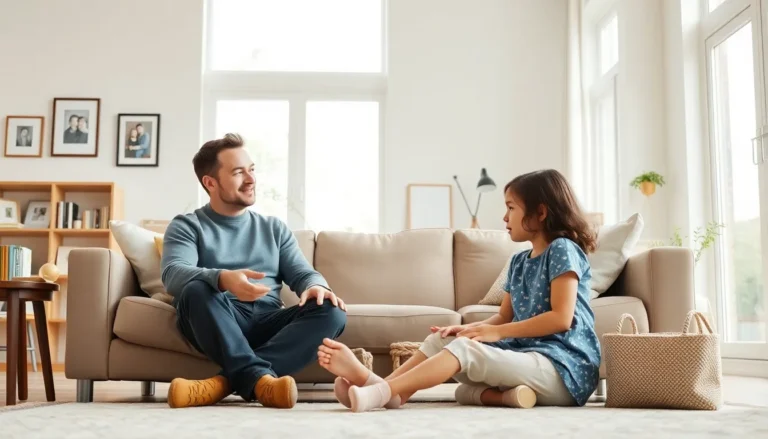
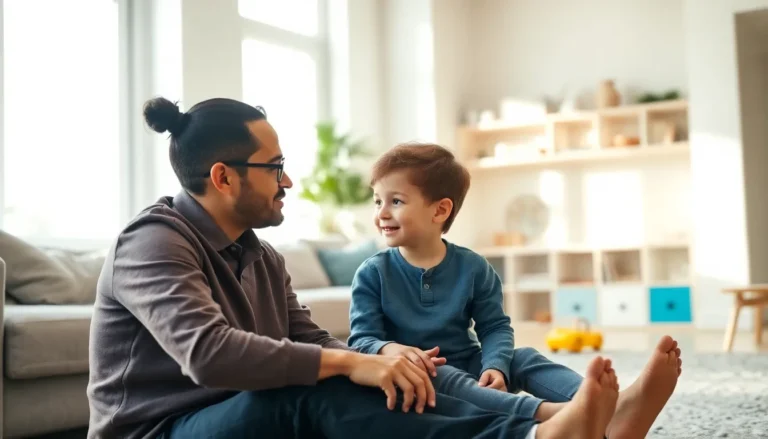
Strong emotional connections form the foundation of effective parenting. Children who feel emotionally connected to their parents develop better self-esteem, perform better in school, and handle stress more effectively. These parenting wisdom ideas start with one simple practice: being present.
Being present means putting down the phone during conversations. It means making eye contact when a child shares their day. It means listening without immediately jumping to solutions or lectures. Kids can tell when adults are distracted, and they internalize that message.
Quality time doesn’t need to be elaborate. A fifteen-minute bedtime chat can strengthen bonds more than an expensive theme park trip where parents check emails the whole time. Some families find success with daily rituals, a morning hug, an after-school snack together, or a weekend breakfast tradition.
Physical affection also plays a major role in emotional connection. Hugs, high-fives, and gentle touches release oxytocin in both parent and child. This hormone reduces stress and builds trust. Even teenagers, who may act embarrassed by affection, benefit from appropriate physical connection with their parents.
Validating emotions is another key parenting wisdom idea. When children feel angry, sad, or frustrated, dismissing those feelings teaches them to suppress emotions. Instead, parents can acknowledge the feeling first: “I can see you’re really upset about this.” This validation doesn’t mean agreeing with bad behavior, it simply recognizes the child’s experience as real and important.
Setting Boundaries With Love and Consistency
Boundaries give children security. Kids actually feel safer when they know the rules and trust that parents will enforce them. The key lies in setting limits with love rather than anger or frustration.
Effective parenting wisdom ideas about boundaries start with clarity. Children need to understand what’s expected of them. Vague rules like “be good” don’t help. Specific expectations like “assignments before screen time” or “ask before taking food from the pantry” give kids clear guidelines to follow.
Consistency matters more than strictness. A parent who enforces rules sporadically confuses children and undermines their own authority. If bedtime is 8:30 PM, it should be 8:30 PM most nights, not whenever the parent remembers or feels like enforcing it.
Consequences work best when they’re logical and related to the behavior. A child who refuses to wear a coat might need to feel cold for a few minutes. A teenager who misses curfew might lose car privileges for a week. These consequences teach cause and effect better than random punishments.
Parents should also pick their battles. Not every infraction requires a response. Constant correction wears down both parent and child. Focus on behaviors that affect safety, respect, and responsibility. Let the small stuff go.
Boundaries should evolve as children grow. What works for a five-year-old won’t work for a fifteen-year-old. Parenting wisdom ideas suggest gradually increasing freedom as kids demonstrate responsibility. This approach prepares them for adulthood while maintaining appropriate structure.
Teaching Resilience Through Everyday Moments
Resilient children bounce back from setbacks. They view challenges as opportunities to learn rather than reasons to quit. Parents can build this mindset through everyday interactions.
One powerful parenting wisdom idea involves letting children struggle appropriately. When a child can’t tie their shoes, the temptation is to do it for them. But working through frustration teaches problem-solving. Parents can offer encouragement and hints without taking over completely.
Failure provides excellent teaching moments. When a child doesn’t make the soccer team or bombs a test, parents can help them process disappointment without rescuing them from it. Questions like “What might you do differently next time?” shift focus from failure to growth.
Praising effort over results builds resilience. “You worked really hard on that project” means more than “You’re so smart.” Children praised for effort learn to value persistence. Children praised only for results often fear taking risks.
Parents can share their own struggles and failures too. Kids benefit from knowing that adults face challenges. A story about a difficult work presentation or a friendship conflict shows children that setbacks are normal, and survivable.
Daily life offers countless opportunities to practice resilience. A cancelled playdate, a lost game, a disappointing grade, each one is a chance to coach children through difficulty. These small moments accumulate into major life skills.
Leading by Example in Daily Life
Children watch everything. They notice how parents handle stress, treat service workers, and respond to disappointment. Parenting wisdom ideas consistently emphasize that modeling matters more than lecturing.
If parents want children to manage anger well, they need to demonstrate healthy anger management. If they want kids to be kind, they should show kindness in their own interactions. Children absorb these behaviors automatically.
This doesn’t mean parents must be perfect. In fact, making mistakes and apologizing teaches valuable lessons. When a parent loses their temper and later says, “I’m sorry I yelled. That wasn’t fair to you,” the child learns that adults make mistakes too, and that apologizing is the right response.
Healthy habits spread through families. Parents who read raise readers. Parents who exercise raise kids who value physical activity. Parents who prioritize sleep, manage screen time, and eat vegetables create households where these behaviors feel normal.
Relationship modeling also shapes children’s futures. How parents treat each other, and how they handle conflict, teaches kids what to expect from their own relationships. Respectful communication, fair fighting, and genuine affection all leave lasting impressions.
Self-care isn’t selfish when it comes to parenting wisdom ideas. Parents who take care of their own mental and physical health have more patience and energy for their families. Children learn that taking care of oneself matters.