Parenting wisdom trends 2026 reflect a shift in how families approach child-rearing. Parents today seek practical strategies that balance connection, technology, and emotional growth. The methods gaining traction aren’t flashy or revolutionary, they’re grounded in research and real-world results.
This year marks a turning point. Caregivers are moving away from reactive parenting and toward proactive, thoughtful approaches. They want their children to thrive emotionally, socially, and mentally. The parenting wisdom trends 2026 address these goals head-on.
From mindful practices to community support systems, parents have more tools than ever. But with so many options, knowing where to focus matters. This guide breaks down the key parenting wisdom trends 2026 that every modern family should understand.
Table of Contents
ToggleKey Takeaways
- Parenting wisdom trends 2026 emphasize proactive, research-backed approaches that prioritize emotional growth over reactive discipline.
- Mindful parenting focuses on awareness and self-regulation—parents who pause before reacting model healthy emotional responses for their children.
- Families are moving toward intentional technology use, creating collaborative media plans and co-viewing content together instead of enforcing strict screen time limits.
- Community-centered child-rearing is making a comeback, with parents building support networks, neighborhood groups, and multi-generational connections to share the load.
- Emotional intelligence (EQ) now rivals academic achievement as a parenting priority, with daily interactions like naming emotions and validating feelings serving as key teaching moments.
- The parenting wisdom trends 2026 remind us that consistency matters more than perfection—small, intentional practices create lasting impact.
The Rise of Mindful and Intentional Parenting
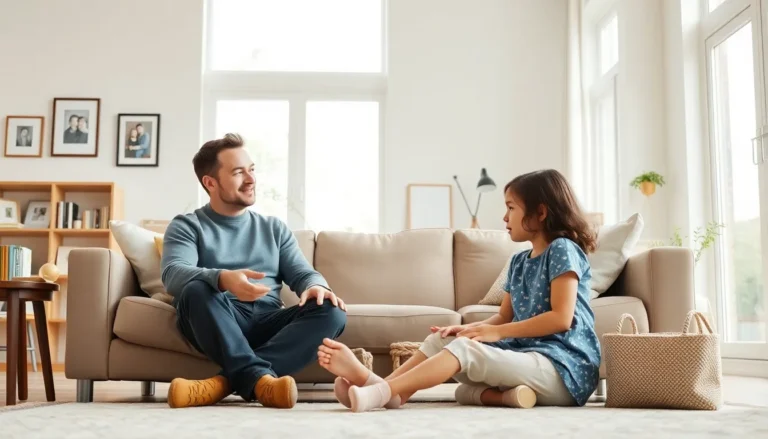
Mindful parenting has moved from niche practice to mainstream approach. In 2026, parents are embracing presence over perfection. They’re slowing down, paying attention, and responding rather than reacting.
This parenting wisdom trend focuses on awareness. Parents learn to notice their own emotions before addressing their child’s behavior. A frustrated parent who pauses before speaking models self-regulation. Children absorb these lessons without formal instruction.
Intentional parenting takes this further. Families are setting clear values and making decisions that align with them. Instead of defaulting to “because I said so,” parents explain their reasoning. They involve children in age-appropriate discussions about family rules and expectations.
Research supports this shift. Studies show that children raised with intentional parenting demonstrate better problem-solving skills and higher self-esteem. They understand the “why” behind boundaries, which builds intrinsic motivation.
Practical applications look different for each family. Some parents start with daily check-ins at dinner. Others practice mindful breathing together before bedtime. The specifics matter less than the consistency.
Parenting wisdom trends 2026 emphasize that mindfulness isn’t about being calm all the time. It’s about awareness. Parents who acknowledge their stress teach children that emotions are normal and manageable.
Technology-Balanced Family Life
Screen time debates have evolved. The parenting wisdom trends 2026 show families moving beyond strict limits toward intentional tech use. Parents recognize that technology isn’t inherently good or bad, context matters.
Balanced tech use means involving children in decisions about devices. Families create media plans together. They discuss what content adds value and what drains energy. This collaborative approach teaches critical thinking about digital consumption.
Many parents now designate tech-free zones and times. Bedrooms stay device-free. Meals happen without phones at the table. These boundaries aren’t punishments, they’re structure that protects connection time.
Co-viewing has gained popularity. Instead of handing a child a tablet and walking away, parents watch content together. They ask questions, make comments, and turn passive consumption into active learning. This approach transforms screen time into bonding time.
Parenting wisdom trends 2026 also address parental tech habits. Children notice when adults scroll during conversations. Parents who model healthy device boundaries see those behaviors reflected in their kids.
The goal isn’t elimination. It’s integration. Families use technology for video calls with grandparents, educational games, and creative projects. They avoid mindless scrolling and endless notifications. Balance requires ongoing conversation, not one-time rules.
Community-Centered Child Rearing
The isolated nuclear family model is fading. Parenting wisdom trends 2026 highlight a return to collective approaches. Parents are building support networks and sharing responsibility for children’s development.
This shift acknowledges a simple truth: raising children alone is exhausting. Humans evolved in groups where multiple adults cared for young ones. Modern parents are recreating these structures in new ways.
Neighborhood parenting groups have multiplied. Families coordinate carpools, playdates, and emergency backup care. They share resources like toys, books, and baby gear. These arrangements reduce costs and build relationships.
Multi-generational living is increasing. Grandparents, aunts, uncles, and cousins provide childcare, wisdom, and extra hands. Children benefit from diverse perspectives and deeper family bonds.
Parenting wisdom trends 2026 also include chosen family. Friends without children, mentors, and community members play active roles in kids’ lives. These “village” members offer different skills, experiences, and viewpoints.
Online communities supplement local networks. Parents connect with others facing similar challenges. They share advice, vent frustrations, and celebrate milestones. These virtual connections reduce isolation, especially for those in areas with limited local support.
Community-centered parenting doesn’t mean outsourcing responsibility. It means recognizing that children thrive with multiple caring adults in their lives.
Emotional Intelligence as a Core Focus
Academic achievement used to dominate parenting priorities. Now, emotional intelligence (EQ) claims equal importance. Parenting wisdom trends 2026 position EQ as essential for success in relationships, work, and personal fulfillment.
Emotional intelligence includes recognizing feelings, managing reactions, showing empathy, and building relationships. These skills predict life outcomes as strongly as IQ, sometimes more so.
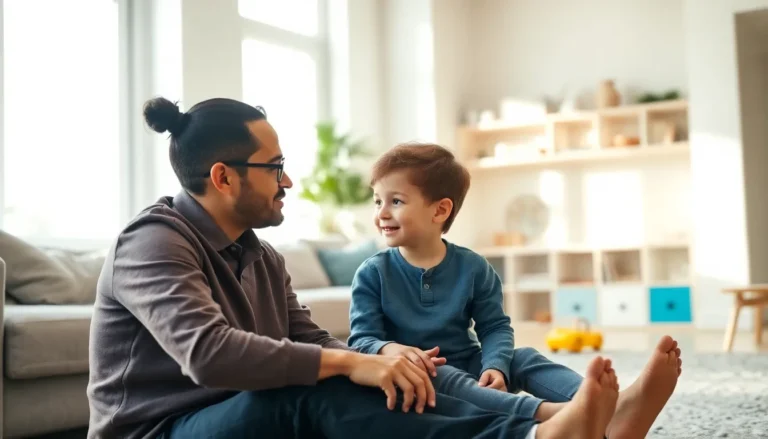
Parents teach EQ through daily interactions. They name emotions: “You seem frustrated that the blocks fell down.” They validate feelings: “It makes sense you’re sad about leaving the park.” They coach through difficult moments: “What could help you feel calmer?”
Parenting wisdom trends 2026 stress that EQ develops through experience. Children need safe spaces to feel big emotions without shame. They need adults who stay calm during tantrums and who repair relationships after conflicts.
Schools are incorporating EQ curriculum, but parents remain the primary teachers. Modeling matters most. Children watch how adults handle disappointment, anger, and stress. They learn emotional regulation by observing it.
Empathy receives special attention. Parents encourage perspective-taking: “How do you think your friend felt when that happened?” They discuss characters’ emotions in books and shows. They praise kind behavior and discuss its impact.
The parenting wisdom trends 2026 make clear that EQ isn’t soft or optional. It’s foundational. Children with strong emotional intelligence handle challenges better, maintain healthier relationships, and experience greater well-being throughout life.